
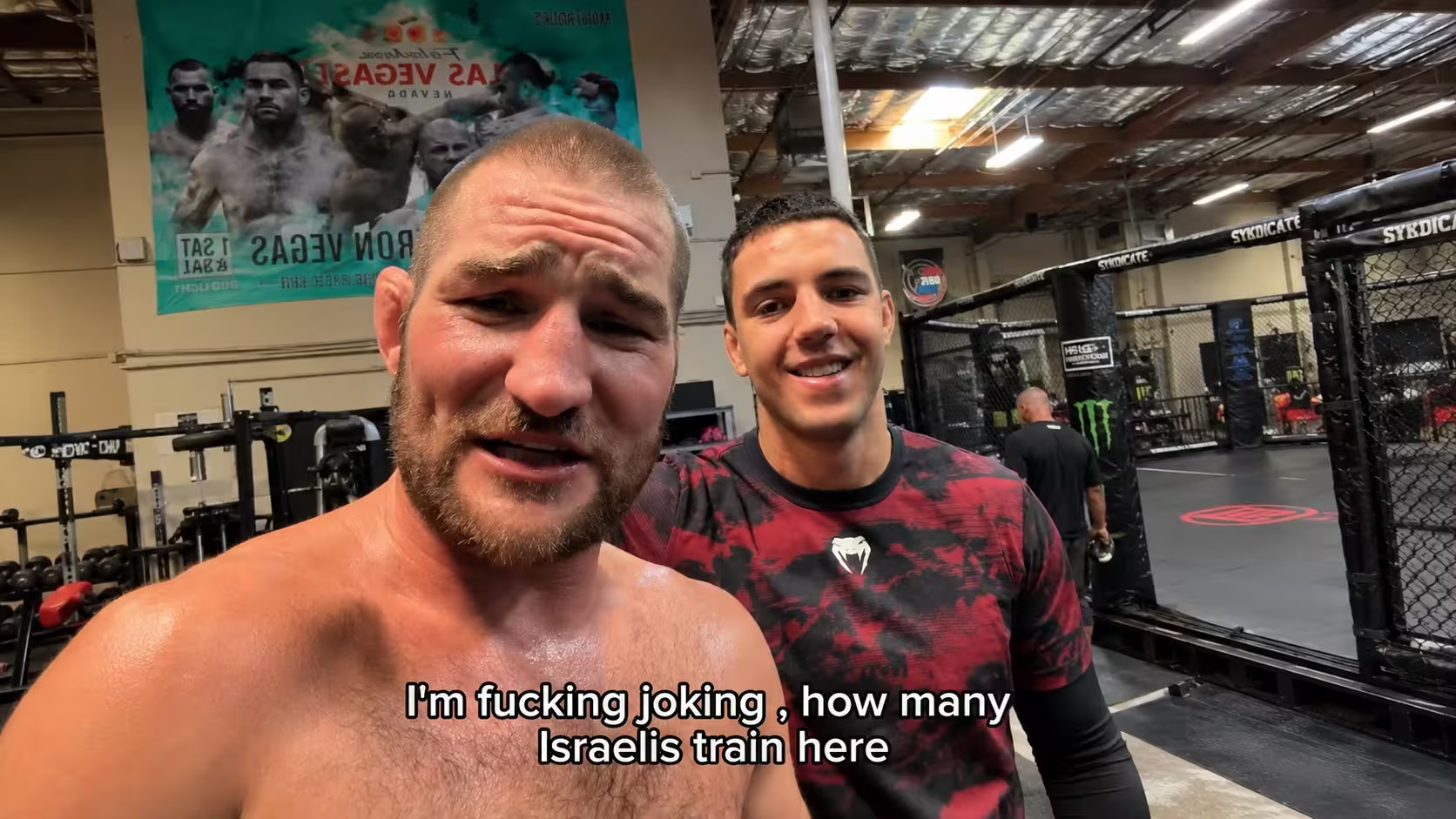
Sean Strickland Denies Anti-Semitism After Backlash From Israeli MMA Fans

Sean Strickland is once again at the center of controversy after receiving backlash from Israeli MMA fans over comments connected to Israel, Jewish people, and the ongoing political tension surrounding the region.
The outspoken UFC fighter denied being anti-Semitic after fans criticized his remarks, arguing that his style has always been offensive, extreme, and directed at many groups — not just one.
“If you think what I say about Israel is bad, you should see what I say about whites, Mexicans, blacks,” Strickland said. “I say way worse stuff.”
It was a typical Strickland response: blunt, defensive, and guaranteed to create more debate.
Strickland’s main argument is that his comments should not be viewed as hatred toward Jewish people specifically.
He appears to be framing his remarks as part of his broader pattern of offensive speech, where he regularly insults countries, communities, politicians, fighters, and public figures without much filter.
But that explanation has not convinced everyone.
For many fans, especially Israeli and Jewish MMA fans, the issue is not just that Strickland says offensive things. It is that comments involving Jewish people and Israel carry real historical weight, especially when they touch on identity, religion, genocide, and the persecution of communities throughout history.
That is why the backlash became so strong.
The Controversy Goes Beyond Normal Trash Talk
Sean Strickland has built much of his public image around saying things other fighters would avoid.
Sometimes fans see that as honesty. Other times, it creates serious controversy.
This situation feels different from normal fight promotion because it is not about insulting an opponent or selling a matchup. It involves sensitive political and ethnic issues, which can quickly move the conversation beyond MMA.
Criticizing governments, wars, or political leaders is one thing. Making broad remarks that fans interpret as targeting a people or religious community is another. That is where Strickland’s comments became a major problem.
The reaction from Israeli MMA fans was intense because many felt Strickland crossed a line.
MMA has fans from every background, and fighters with global platforms have to understand that their words travel far beyond a single interview or social media post. A comment made in anger can reach people who feel personally targeted by it.
That is what happened here.
Strickland may argue that he insults everyone equally, but many fans believe that does not remove responsibility. Offensive speech can still cause damage, even when the person saying it claims they did not mean it as hatred.
Strickland’s Brand Creates Constant Risk
This is the risk of Sean Strickland’s public persona.
His unfiltered style is part of what makes him popular with some fans. He speaks without polish, avoids corporate language, and often sounds like he does not care about backlash.
But that same approach can create serious problems when the subject moves from fight talk to sensitive real-world issues.
The more serious the topic, the less room there is for careless wording.
The question now is whether Strickland’s denial will be enough.
Some fans will accept his explanation and say this is simply who he is. Others will believe the comments went too far and that saying offensive things about many groups does not excuse remarks that hurt Jewish or Israeli fans.
For Strickland, the controversy may not disappear quickly. These moments tend to follow fighters, especially when they involve politics, religion, or identity.
If he wants to move past it, he may need more than a defensive explanation. He may need to show that he understands why people reacted so strongly.
Sean Strickland has denied being anti-Semitic after facing backlash from Israeli MMA fans, but the controversy shows how dangerous his unfiltered style can become.
His defense is that he insults many groups and does not target Jewish people specifically. But many fans still believe his comments crossed a serious line.
In MMA, trash talk is common. Fighters say wild things all the time.
But when the conversation involves race, religion, nationality, or war, words carry more weight.
Strickland may see himself as brutally honest, but this backlash is a reminder that not every topic can be handled like fight-week trash talk.